Residents of Teshie, Nungua, Baatsona, Spintex, Sakumono and surrounding communities faces severe water crisis since December 2025
By Justice Goku - 13th January 2026

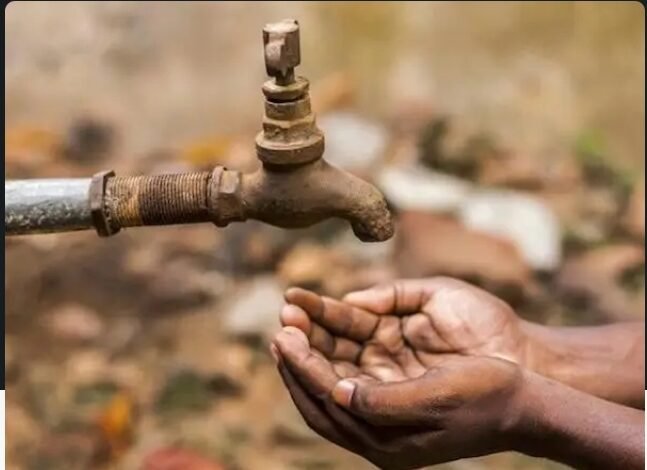
Residents of Teshie, Nungua, Baatsona, Spintex, Sakumono, and surrounding communities are currently enduring a prolonged and severe water shortage that has persisted since December 2025, with no clear timeline for resolution. What began as intermittent supply issues has now developed into a full-blown crisis, leaving thousands of households without access to running water for weeks at a time.
Across these communities, taps remain dry daily, forcing families to seek alternative means of survival. Many residents now rely heavily on sachet water for essential activities such as cooking, bathing, washing, and drinking. This dependency has significantly increased household expenses, particularly for low-income families who are struggling to cope with the rising cost of purchasing water on a daily basis.
FOR MORE STORIES, FOLLOW US ON WHATSAPP https://chat.whatsapp.com/HPfqFbuSt7fA2MVV742k2V
The ongoing shortage has also disrupted normal routines and livelihoods. Small businesses such as food vendors, hair salons, and car wash operators are finding it difficult to operate, leading to reduced income and job losses. Schools and health facilities are not spared, as limited water supply makes it challenging to maintain sanitation standards essential for safe learning and healthcare delivery.
Beyond economic hardship, the situation has raised growing concerns about hygiene and public health. Residents fear that the lack of reliable water could increase the risk of waterborne diseases, especially in densely populated areas where proper sanitation depends heavily on consistent water access. Parents, in particular, worry about the impact on children, the elderly, and individuals with existing health conditions.
ALSO SEE Two Gentlemen arrested over large suspected Narcotic drugs by the Tema Regional police Command
Community leaders and residents have voiced their frustration, describing the situation as unsustainable. They are calling on the Ghana Water Company Limited, local authorities, and other relevant agencies to treat the issue as a matter of urgency. Many are demanding not just short-term fixes, but long-term and sustainable solutions that will prevent recurring shortages in the future.
As the crisis drags on, affected communities continue to hope for swift intervention to restore reliable water supply and ease the growing strain on daily life, public health, and economic activity.