Mahama rejects removal petitions after CJ finds no prima facie case against EC, OSP leadership
Goku Justice - 18th February 2026

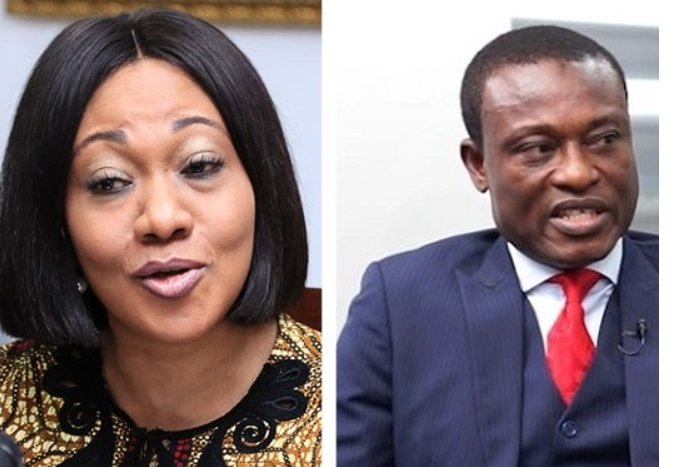
President John Dramani Mahama has dismissed a series of petitions seeking the removal of key public office holders, including the Chairperson of the Electoral Commission and the Special Prosecutor, after the Chief Justice found no basis for further action.
The decision follows a constitutional review process triggered by multiple complaints submitted to Jubilee House in late 2025. According to a statement issued on Wednesday, February 18 by the Minister responsible for Government Communications, ten separate petitions were filed under Article 146 of Ghana’s 1992 Constitution, which outlines the procedure for removing certain high-ranking officials.
Out of the ten petitions received, seven were directed at the leadership of the Electoral Commission. These targeted the EC Chairperson, Jean Mensa, as well as her two deputies, Dr Bossman Eric Asare and Samuel Tettey. The remaining three petitions called for the removal of the Special Prosecutor, Kissi Agyebeng.
As required by law, the President referred the petitions to the Chief Justice for preliminary examination. Under Article 146, the Chief Justice must first determine whether a prima facie case has been established before any formal investigative process can begin. Only when this threshold is met can a five-member committee be constituted to inquire into allegations of stated misbehavior, incompetence, or incapacity the constitutional grounds for removal from office.
ALSO READ Fake Vice Presidential Staffer arrested over GHS13,000 fraud
The petitioners cited various allegations, including claims of cronyism, abuse of office, and gross incompetence. Some argued that these alleged actions had weakened public trust in the affected institutions. One of the petitions against the Electoral Commission leadership was reportedly submitted by Joseph Blankson Adumadzie, an EC staff member, who outlined concerns about internal administration and institutional integrity. However, specific details of the complaints remain confidential, as the constitutional process governing such petitions does not permit public disclosure at this stage.
After reviewing the submissions, Chief Justice Paul Baffoe-Bonnie concluded that the petitions did not establish a prima facie case. This determination effectively halts the removal process, as the constitutional procedure cannot advance without that initial finding.
With the Chief Justice’s conclusion, no investigative committee will be formed, and the matter is considered closed unless new evidence emerges that meets the required legal threshold.
The development underscores the safeguards built into Ghana’s constitutional framework, which aim to balance accountability with protection from unfounded or politically motivated removal efforts. Under Article 146, the burden rests on petitioners to present sufficient evidence at the preliminary stage before any formal inquiry can be initiated.
CHECK Ghana Summons Russian Ambassador Over Alleged Cybercrime
In this instance, that standard was not satisfied, bringing an end to the petitions against the Electoral Commission leadership and the Special Prosecutor.